Source Curtain Tieback for Window, Door, and Curtain Uses
Find 30 curtain tieback options featuring nail-free installation and customization. Buyers can compare styles like question mark hooks, materials including cotton and alloy, and certifications such as CE and ISO9001 for window, door, and curtain applications.
Key considerations
Products List





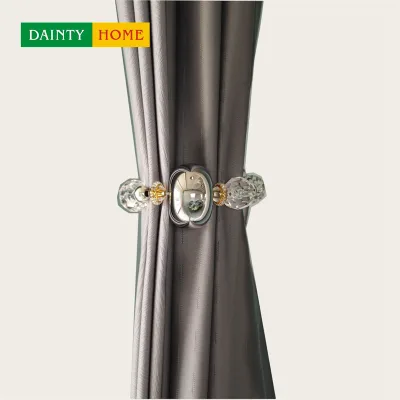
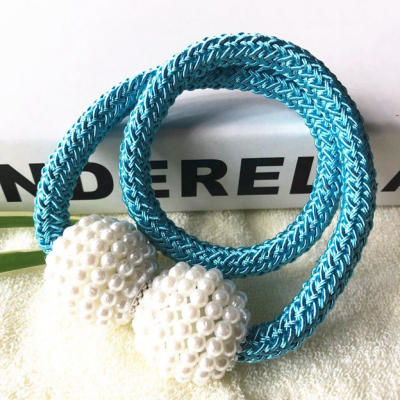
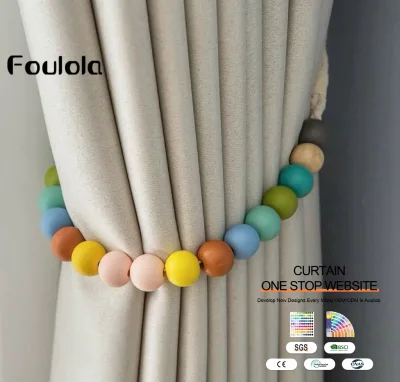
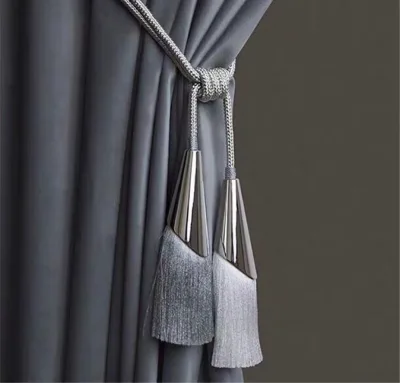
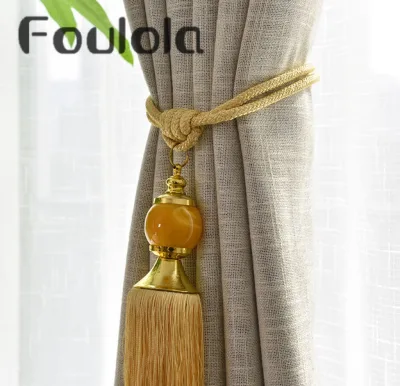
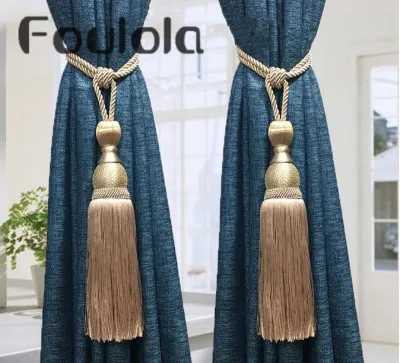


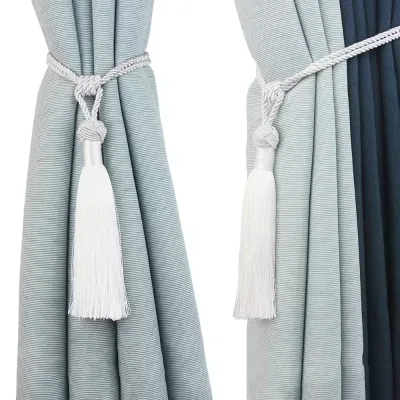
Comprehensive Sourcing Guide
Strategic Sourcing Guide for Curtain Tiebacks
Understanding Product Variations and Technical Specifications
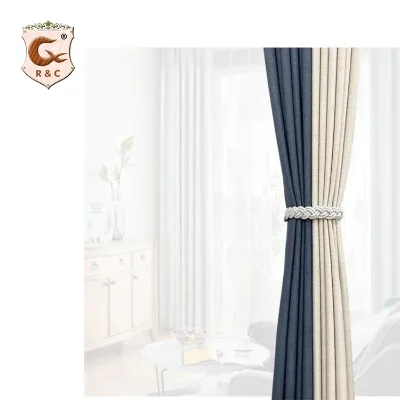
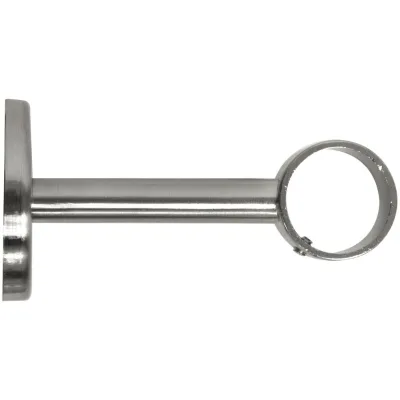
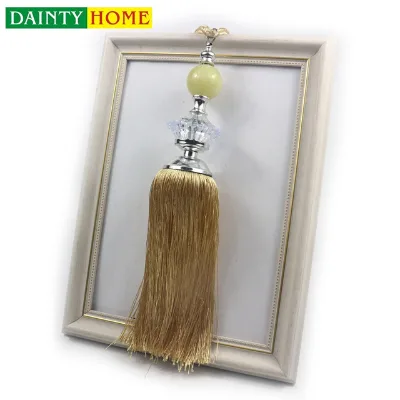
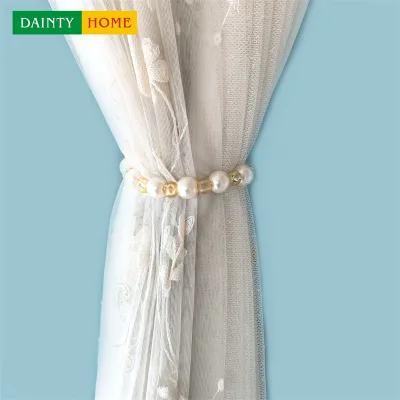
The global market for curtain tiebacks offers a diverse array of options designed to meet varying aesthetic and functional requirements. When initiating a procurement strategy for curtain tiebacks, buyers must first distinguish between the primary design architectures available. The observed product landscape includes distinct styles such as the Question Mark Style, which provides a classic, curved silhouette, and contemporary designs featuring embroidery or metal accents. The material composition is a critical differentiator; supply data indicates the availability of products constructed from cotton, offering a soft, textile-based aesthetic, as well as alloy-based options that provide structural rigidity and a metallic finish.
Technical specifications vary significantly based on the intended application. For instance, specific models are engineered for casement windows, while others are designed for general window and door usage. The physical dimensions are equally important for inventory planning and installation logistics. Buyers should note that single package sizes can be as compact as 17x8x4 cm, with a single gross weight of approximately 0.080 kg, which facilitates efficient shipping and storage. However, other specifications suggest standard lengths of 60mm or 77mm, or fully customized dimensions to meet specific architectural needs. The surface treatment process is another technical variable; some products undergo handcraft processes to achieve a luxury or European Classic finish, while others may feature advanced top designs with embroidery.
| Feature Category | Observed Variations | Procurement Consideration |
|---|---|---|
| Material | Cotton, Alloy | Cotton offers softness and drape; Alloy provides durability and modern aesthetics. |
| Design Style | European Classic, Contemporary, Luxury | Aligns with interior design themes; embroidery adds a premium touch. |
| Hook Style | Question Mark Style | Specific aesthetic choice; ensures compatibility with curtain rod types. |
| Installation | Nail Free | Critical for rental properties or surfaces where drilling is prohibited. |
| Dimensions | 60mm, 77mm, Customized | Must match curtain weight and rod diameter; custom options available. |
| Color Options | Multicolour, Gold, White, Grey, Pink, Teal, AB, AC | Color consistency across batches is essential for large orders. |
Compliance and Certification Verification
In the B2B procurement of home decor accessories, verifying compliance with international standards is a non-negotiable step to mitigate liability and ensure market access. The supplied product data highlights a recurring pattern of certifications, specifically CE, ISO, and RoHS. These certifications indicate that the products meet specific safety, environmental, and quality management benchmarks. For example, the presence of ISO9001 certification suggests that the manufacturing facility adheres to a quality management system, which is a strong indicator of process consistency. Similarly, RoHS compliance confirms that the products are free from specific hazardous substances, a requirement for selling in many global markets, particularly in Europe.
Buyers must exercise caution when interpreting certification claims. While the data lists "ISO" and "ISO9001/CE/ROHS" as observed attributes, it is imperative to request valid, current certificates from the supplier for the specific production batch being purchased. The data also mentions "OEKO-TEX" and "GOTS" in a low-confidence background section; buyers should not assume these certifications are present unless explicitly verified by the supplier. The absence of these specific textile standards in the high-confidence facts means that claims regarding organic cotton or specific chemical restrictions should be treated as unverified until documentation is provided. Furthermore, the "Customized" standard attribute suggests that some products may be manufactured to specific client requirements, which necessitates a separate verification of whether the customization alters the baseline certification status.
Cost Drivers and Pricing Dynamics
The pricing structure for curtain tiebacks is influenced by a complex interplay of material costs, customization levels, and order volume. The observed listed price range spans from $0.05 to $30.00 USD. This wide variance is not arbitrary; it reflects the difference between basic, mass-produced items and high-end, handcrafted luxury pieces. The lower end of the spectrum likely corresponds to simple alloy or cotton tiebacks with minimal processing, while the upper end reflects products with advanced embroidery, gold finishes, or complex "European Classic" designs.
Order Volume is a primary driver of unit cost. The Minimum Order Quantity (MOQ) ranges from 1 to 5,000 units. Buyers purchasing small quantities (e.g., 1-100 units) will typically face a higher per-unit cost but benefit from lower capital outlay and reduced inventory risk. Conversely, buyers seeking to optimize margins must navigate the MOQ thresholds, which can go up to 5,000 units for certain customizations. The "Accept Customized" packing attribute and "Packing as Customer's Requirement" suggest that packaging costs can also be a variable; custom branding or specialized carton requirements will likely increase the overall unit price. Additionally, the "Handcraft" surface treatment implies a higher labor cost component compared to fully automated manufacturing, which directly impacts the final price point. Buyers should request detailed tiered pricing schedules that account for material upgrades, design complexity, and volume discounts to accurately forecast total landed costs.
Typical Applications and Usage Scenarios
Curtain tiebacks serve both functional and decorative purposes, and their application dictates the required specifications. The primary usage scenarios identified include residential window treatments, commercial curtain installations, and general home decoration. Specific product attributes indicate suitability for casement windows, where the tieback must hold the curtain securely against the wall or window frame. The "Nail Free" installation feature is particularly valuable for applications where structural integrity of the wall must be preserved, such as in rental properties, hotels, or historic buildings where drilling is restricted.
The versatility of the product is further enhanced by its application in various settings. The "New Year" occasion attribute suggests that these products are often marketed for seasonal decorations, requiring a robust supply chain to meet peak demand periods. The "Window, Door, Curtain" usage classification indicates that the same product line can be adapted for different openings, provided the dimensions and load-bearing capacity are appropriate. For commercial buyers, the "Luxury" and "European Classic" design styles are particularly relevant for high-end hospitality projects, boutique retail spaces, and upscale residential developments. The "Eco-friendly" feature adds value for projects targeting sustainability certifications, although buyers must verify the specific materials and processes that qualify the product for this claim.
Supplier Evaluation and Selection Criteria
Selecting the right supplier requires a rigorous evaluation of their capabilities, particularly regarding customization and quality consistency. The data indicates that "Customization" is available, with options for customized models, colors, and packing. This flexibility is a significant advantage for buyers seeking private label solutions or unique design elements. However, the ability to customize must be balanced against the supplier's capacity to maintain quality control. Buyers should evaluate the supplier's experience with "Handcraft" processes, as manual finishing can introduce variability if not strictly managed.
The origin of the products is a key factor in logistics and cost. The data confirms that the place of origin is Zhejiang, China, a major manufacturing hub for home textiles and hardware. Buyers should verify the specific factory location within Zhejiang to assess logistics efficiency and potential shipping lead times. The "R&C" brand name appears frequently in the product data, suggesting a specific manufacturer or brand line. While buyers should not rely on a single brand, understanding the brand's market positioning can help in evaluating the supplier's reputation. When evaluating suppliers, buyers should request samples to verify the "Single gross weight" and "Single package size" claims, ensuring that the physical product matches the technical specifications provided. Additionally, suppliers should be able to demonstrate their ability to meet the "Customized" standard requirements, whether that involves specific lengths like 60mm or 77mm, or entirely bespoke dimensions.
Quality Control and Long-Term Procurement Strategy
Ensuring long-term success in sourcing curtain tiebacks requires a robust quality control (QC) framework. Given the diverse materials (cotton and alloy) and finishes (gold, multicolour, embroidery), QC must address both structural integrity and aesthetic consistency. For alloy products, buyers should verify the durability of the finish to prevent tarnishing or peeling, especially for products marketed as "Luxury." For cotton tiebacks, the focus should be on the strength of the stitching and the colorfastness of the fabric, particularly for items used in high-traffic areas or exposed to sunlight.
The "Customized" nature of many products introduces additional QC challenges. Buyers must establish clear acceptance criteria for custom designs, including color matching (e.g., White, Grey, Pink, Teal) and embroidery precision. The "Top Design with Embroidery" feature suggests that visual defects in the stitching could significantly impact the perceived value of the product. Long-term procurement strategies should include regular third-party inspections, particularly for large orders where the risk of batch inconsistency is higher. Buyers should also consider the "Packing as Customer's Requirement" aspect, ensuring that the packaging protects the product during transit and meets any specific retail or logistical requirements. Finally, maintaining a relationship with a supplier who can consistently deliver on the "Nail Free" installation promise and the "Eco-friendly" claims is essential for building a reliable supply chain that supports brand integrity over time.
FAQs
What certifications do curtain tiebacks typically have?
Products typically hold CE, ISO, and RoHS certifications to ensure safety and environmental compliance. Some listings also specify ISO9001 for quality management systems. Buyers should verify current certificates for specific batches before purchase.
Can I find nail-free installation curtain tiebacks?
Yes, nail-free installation options are available for these curtain tiebacks. This feature is ideal for rental properties or surfaces where drilling is prohibited. It allows for secure hanging without damaging the wall structure.
Which materials are used for curtain tiebacks?
Curtain tiebacks are commonly made from cotton or alloy materials. Cotton offers a soft textile aesthetic, while alloy provides structural rigidity and a metallic finish. The choice depends on the desired look and durability requirements.
What is the minimum order quantity for these products?
The minimum order quantity ranges from 1 to 5000 units depending on the supplier and customization level. Lower MOQs allow for smaller trial orders, while higher volumes may be required for specific customizations or bulk pricing tiers.
How are these curtain tiebacks packaged for shipping?
Products are typically packed in cartons with single package sizes around 17x8x4 cm. Customized packing options are available to meet specific customer requirements. This ensures efficient storage and protection during transit.
Can I customize the design and color of tiebacks?
Customization is available for design, color, and packaging to meet specific client needs. Buyers can request specific styles like European Classic or Contemporary designs. Custom dimensions such as 60mm or 77mm are also possible.
Where are these curtain tiebacks manufactured?
The products originate from Zhejiang, China, a major manufacturing hub for home textiles. This location supports efficient logistics and supply chain management. Buyers should verify specific factory details for accurate lead time estimates.